Topics
The Legacy of the 1960s
12 TitlesAgents of Change
66 minutes, 2016
At the River I Stand
56 minutes, 1993
During two eventful months in 1968, what began as a local labor dispute between striking African American sanitation workers and the white power structure of Memphis grew into the devastating tragedy of the assassination of Dr. Martin Luther King, Jr. and a national struggle for racial and economic justice. It marked a turning point in the Civil Rights Movement
BaddDDD Sonia Sanchez
91 minutes, 2015
Berkeley In the Sixties
118 minutes, 1990
This now-famous college town came to symbolize the era that shaped a generation and forever changed this country. Interweaving footage and music from the time with insightful recollections from 15 former leading political and cultural activists this remains the outstanding examination of the late 1960s.
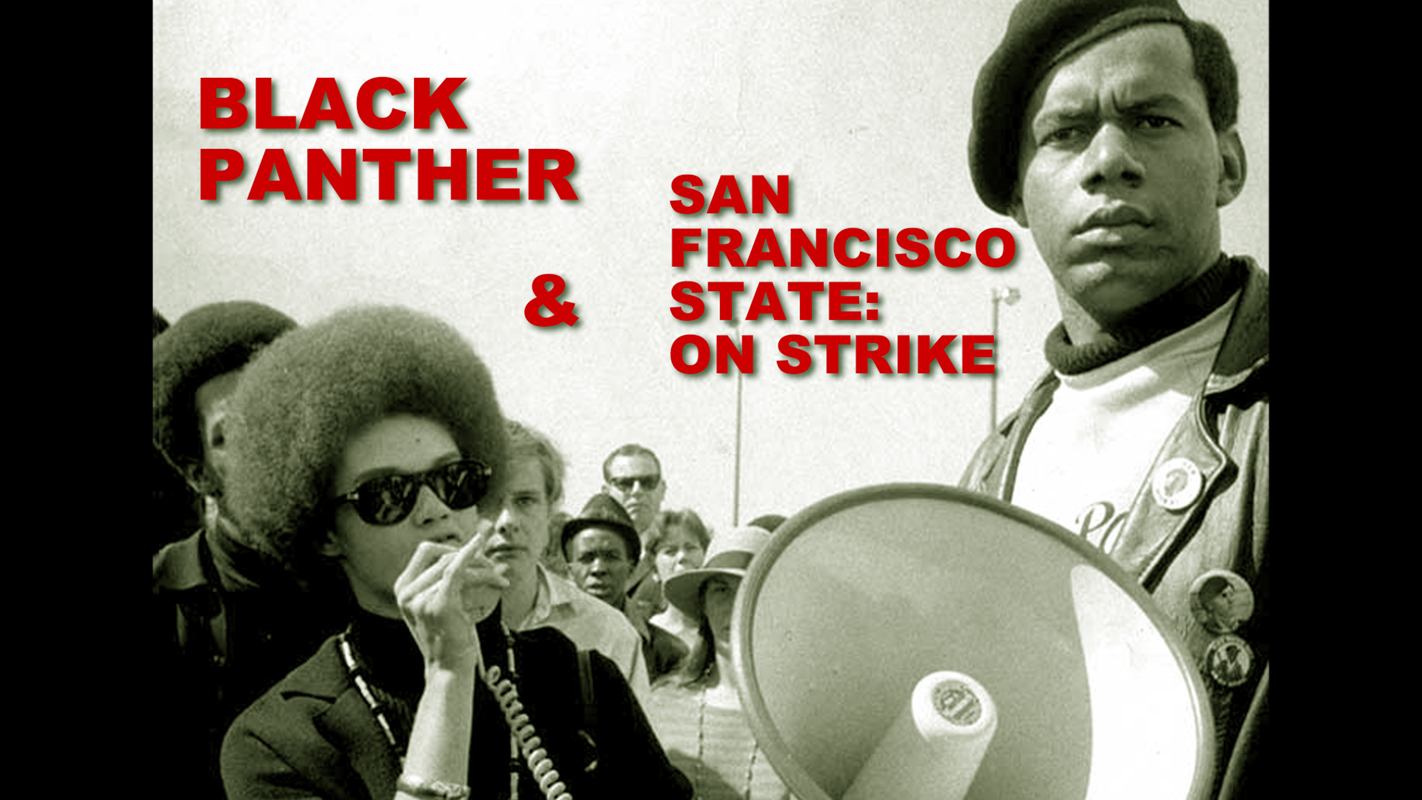
Black Panther / San Francisco State: On Strike
35 minutes
Two films: Historic interviews with Black Panther Party leaders, and primary source document of the San Francisco State student strike.
Brother Outsider: The Life of Bayard Rustin
83 minutes, 2002
On November 20, 2013, Bayard Rustin was posthumously awarded the prestigious Presidential Medal of Freedom by President Barack Obama. Who was this man? Bayard Rustin is best remembered as the organizer of the 1963 March on Washington, one of the largest nonviolent protests ever held in the United States. His activism for peace, racial equality, economic justice and human rights, and how he navigated through his life and career as an openly gay man are the themes of this portrait.
February One
61 minutes, 2004
James Baldwin: the Price of the Ticket
87 minutes, 1990
July '64
54 minutes, 2006
Lorraine Hansberry: Sighted Eyes/Feeling Heart
118 minutes, 2017
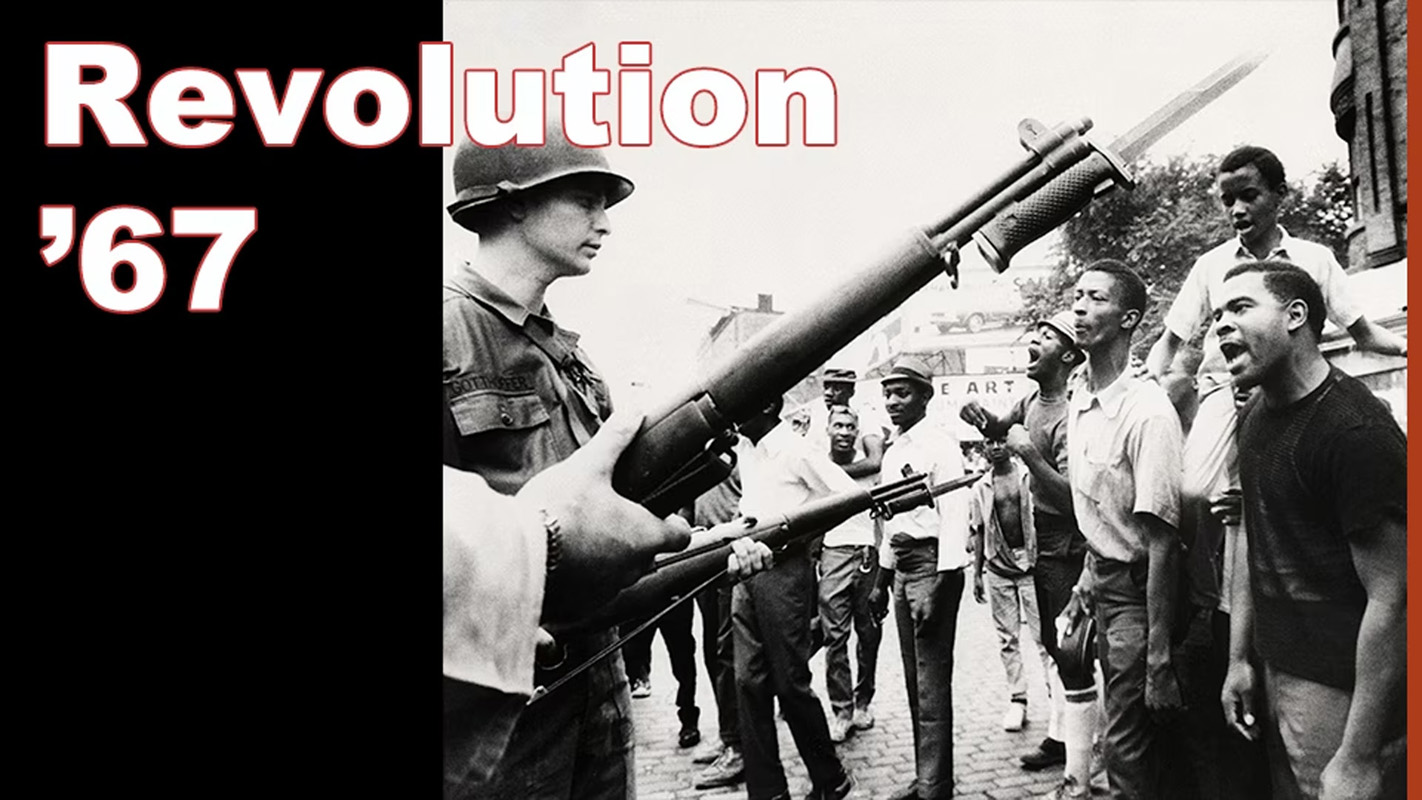
Revolution '67
90 minutes, 2007
An illuminating account of events too often relegated to footnotes in U.S. history - the Black urban rebellions of the 1960's. Focusing on the six-day Newark, N.J. outbreak on July 12, 1967, the film reveals how the disturbance began as spontaneous revolts against poverty and police brutality and ended as fateful milestones in America's struggles over race and economic justice.