
The Strange Demise of Jim Crow
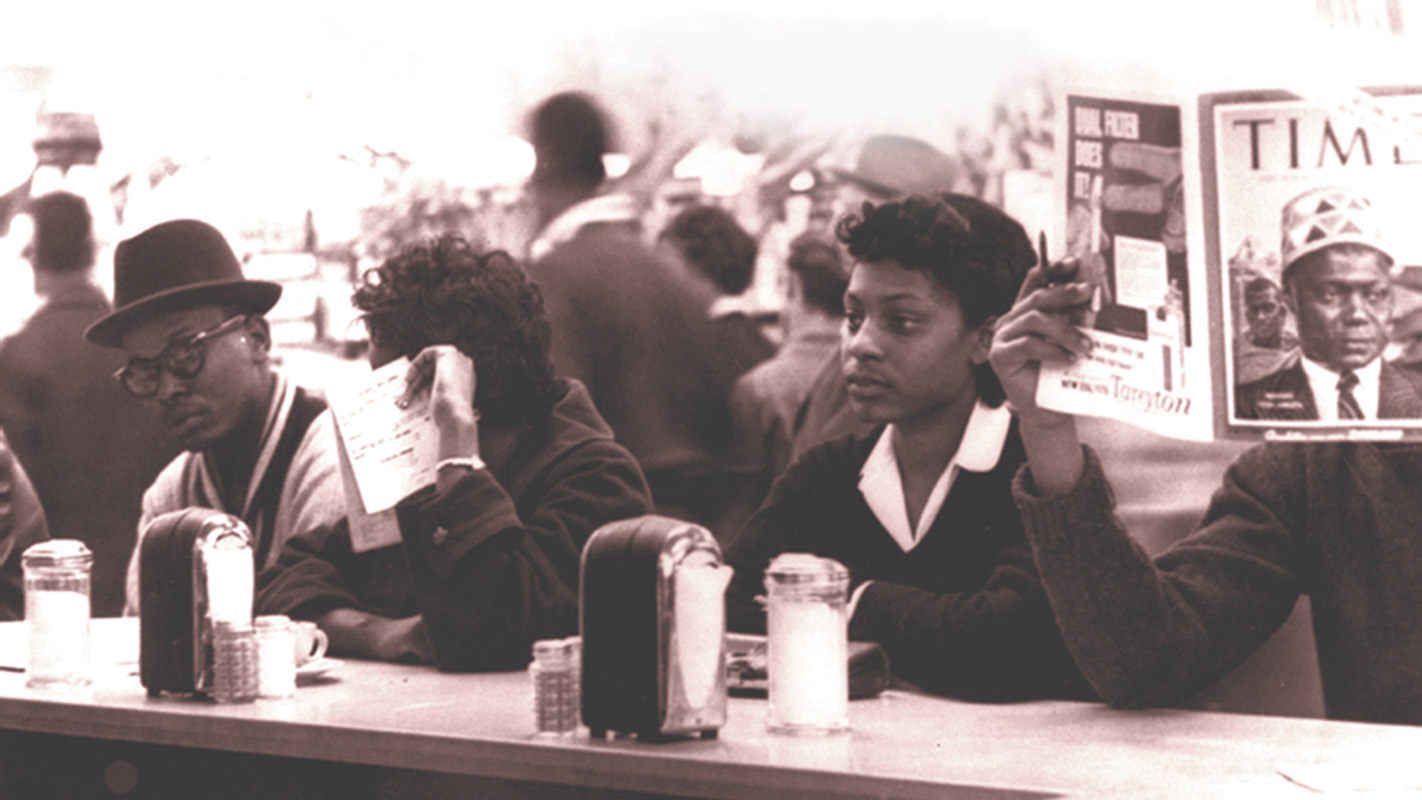
Not all the civil rights victories of the 1960s were won at the cost of vicious beatings and mass arrests played out in front of television cameras. The Strange Demise of Jim Crow reveals how multiple Southern cities were desegregated in a quieter, almost stealthy fashion with behind-the-scenes negotiations, secret deals and controversial news blackouts. It uncovers a fascinating case study of how urban power is really wielded.
Student sit-ins spread rapidly through the South in 1960, including Houston, Texas. When local students, led by Texas Southern law student Eldrewey Stearns, launched sit-ins and boycotts of downtown stores, a group of older Black business leaders (who were secretly financing the students) opened quiet discussions with Houston's powerful Downtown Business Alliance led by an an old-time political "fixer," Bob Dundas. Dundas recognized the inevitable: either Houston would desegregate voluntarily now or involuntarily later. He convinced 70 lunch-counters to integrate all at once by promising to keep the event off the news. The Houston news media complied when Dundas threatened to pull advertising, and few people - including violent white supremacists - realized the students had won.
Hotels became the next target, chosen because former mayor Roy Hofheinz's dream of building the Astrodome and bringing a baseball team to Houston hinged on Black support. Corporate brokers realized that success depended on basic questions: Would Willie Mays stay in a segregated hotel? Play in a segregated stadium? The white power brokers worked the downtown hotel owners while the Black businessmen arranged for affluent Black couples to reserve rooms on an appointed day. Again, the local press were persuaded to black out the news and there was no violence.
Still, restaurants and movie theaters held out. This time, 100 Black students plotted to disrupt Houston's nationally televised ticker-tape parade for astronaut Gordon Cooper. Their Black business supporters leaked the threat to the Downtown Alliance. As the parade was about to begin, the students got word that a last-minute deal to desegregate quietly had been brokered and they reluctantly canceled their protest. Houston's public accommodations had been integrated, but again, the press didn't cover the story.
The Strange Demise of Jim Crow is a multi-level story of urban power and change: student demonstrators vs. segregationists; the white power structure's fear of integration vs. their greater fear of violence, embarrassing national publicity and financial losses; secret deal-making vs. freedom of the press.
Most of all, the documentary demonstrates how threats of demonstrations and civic strife compelled the power elite to negotiate with more moderate, "responsible" Black leaders and neutralize arch-segregationists. At the same time, the film notes a troubling paradox: by censoring news coverage, Houston integrated peacefully but simultaneously undermined the momentum required to build a mass movement capable of structurally challenging white privilege.
"A remarkable, riveting and thought-provoking documentary. A fascinating behind-the-scenes look at secret meetings, unexpected alliances and the suppression of the news."
Houston Chronicle
"The most important story that then Houston newsman Dan Rather never covered...Sheds light on integration and a rare news black-out."
Los Angeles Times
The Strange Demise of Jim Crow


Ways to Watch
Educational Streaming
Colleges, Universities, Government Agencies, Hospitals and Corporations.
Community Screening
Short-term use for small groups, organizations, or high school classes (under 100 participants, where no admission is charged).
Home Viewing
48-hour, personal rental for in-home use only, restrictions apply