
For My People: The Life and Writing of Margaret Walker

"For my people everywhere
Singing their slave songs repeatedly
Their dirges and ditties
Their blues and jubilees..."
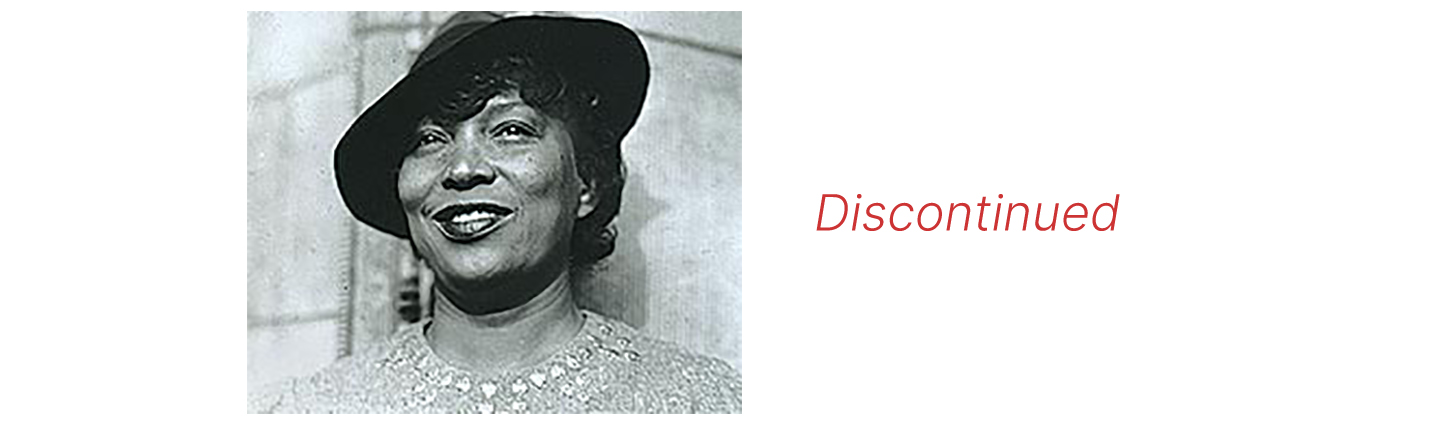
Margaret Walker
For My People: The Life and Writing of Margaret Walker gives the long-overdue recognition to one of the seminal figures of American literature. Margaret Walker has been described by scholar Jerry Ward as "a national treasure" and by Nikki Giovanni as the "most famous person nobody knows." Her signature poem, For My People, written when she was 22, set a tone and a level of commitment which African American literature has been responding to ever since.
For My People combines conversations with Margaret Walker, commentary from leading scholars and readings from her poetry to make a powerful argument for the centrality of her work to 20th century American literature. At the heart of her poetry are the rhythms of African and African American speech and music - gospel, spiritual, ballads and folktales. In contrast to most contemporary poets, she did not aspire to a "personal" poetry but "to write the songs of my people - to frame their dreams into words, their souls into notes."
Margaret Walker has participated in virtually every significant African American literary movement in this century. Born in Birmingham in 1915, she was deeply influenced by the Harlem Renaissance, receiving personal encouragement from Langston Hughes and W.E.B. Du Bois. During the Depression, she joined Illinois WPA Writers Project and worked alongside Saul Bellow, Studs Terkel, Arna Bontemps and Richard Wright, becoming Wright's close friend and biographer. In 1942, she was the first African American to win the coveted Yale Younger Poets award.
Margaret returned to the South, teaching at Jackson State for forty years and establishing there one of the first Black Studies center in the nation. Her epic novel Jubilee, published in 1966, took 30 years to write; it was based on the life of her own great grandmother and pays tribute to the solidarity of a slave family. During the '60s she was an outspoken political activist and a mentor to a new generation of writers in the Black Arts movement including Nikki Giovanni and Sonia Sanchez. Now this important film makes Margaret Walker's poetry and inspiring presence available to yet another generation of writers ad readers. Poet, teacher, activist, Margaret Walker is someone to who the over-used epithet "role model" can truly be applied.
"Margaret Walker is a national treasure. Her signature poem
'For My People' is one of the best summaries of the Black experience."
E. Ethelbert Miller, Howard University
"I can't contain my excitement over this long overdue tribute to an exemplary life. Margaret Walker single-handedly turned poetry upside down with her declaration of love and her challenge to the future of her people."
Nikki Giovanni
"I can think of no more worthwhile scholarly endeavor than a documentary on the life of Margaret Walker. It will go a long way to solidifying her well-earned place in American letters and will introduce her to new generations of students."
Trudier Harris, University of North Carolina, Chapel Hill
"Highly recommended for American literature collections, poetry collections, and Black Studies collections, high school level and up."
Melinda Davis, University of Tennessee, EMRO
For My People: The Life and Writing of Margaret Walker
Ways to Watch
Educational Streaming
Colleges, Universities, Government Agencies, Hospitals and Corporations.
Community Screening
Short-term use for small groups, organizations, or high school classes (under 100 participants, where no admission is charged).
Home Viewing
48-hour, personal rental for in-home use only, restrictions apply